- +40-700-123-4567
- email@example.com
- 14th Street, New York


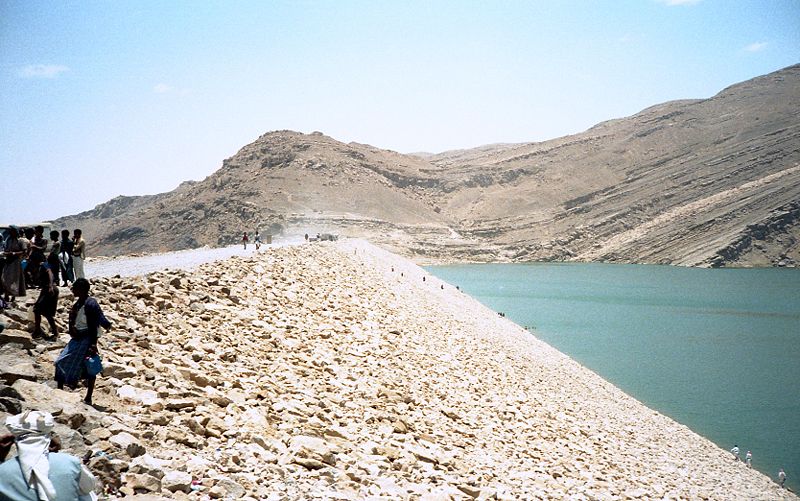
Where is Marib Governorate located?
The city of Marib, the capital of the governorate, is located 173 kilometers to the northeast of Yemen's capital, Sana'a. The population of Marib Governorate comprises 1.2% of the country's total population.
Agriculture is the main activity of the population of the governorate, as it ranks third among the governorates of the republic in producing agricultural crops with a percentage (7.6%) of the total agricultural crop production. The main agricultural crops are fruits, grains and vegetables. Some minerals are found on its territory, the most important of which are granite, scoria, rock salt, gypsum, marble and talc. Marib Governorate was the first governorate in Yemen where oil was discovered, and its production began in 1986.
How large is Marib Governorate?
The size of the governorate is about (17,405) square kilometers, distributed over (14) districts. Marib district is the largest in the governorate in terms of area.
What is the population of Marib Governorate?
The population of the governorate reached (238,522) people, according to the 2004 census, with an increase rate of (2.72).
What are the districts of Marib Governorate?
The governorate is divided into (14) districts according to the last administrative division as follows:
- Al Abdiyah District
- Al Jubah District
- Bidbadah District
- Harib District
- Harib Al Qaramish District
- Jabal Murad District
- Mahliyah District
- Majzar District
- Marib District
- Marib City District
- Medghal District
- Raghwan District
- Rahabah District
- Sirwah District
What are the major tourist and historical landmarks in Marib Governorate?
The governorate has many archaeological and historical sites, the most important of which are: the old Marib Dam, the Temple of the Sun, the Throne of Queen Bilqis, the city of Baraqish, Maharam Bilqis, the inscription of victory, Khaderan fortress, Jabal al-Balk and the Temple of Al-Ahqaf.
What is the climate of Marib Governorate?
The climate varies in the governorate according to its geographical diversity. Temperate to hot summers and relatively cold winters prevail in mountainous areas and highlands. As for the low-lying areas and the plains, the prevailing climate is hot in summer and mild in winter, while a dry subtropical climate prevails in the desert regions, where it is hot in summer and cold in winter.
Sources:
- Central Statistical Organization, 2006
- Wikipedia - National Information Center (Arabic)
- HUMAN ACCESS (Media Center)
- Yemen figures and facts (the National Information Center).
- Results of the tourism survey during the period from (1996-1999)