- +40-700-123-4567
- email@example.com
- 14th Street, New York

Humanitarian Action for Strengthening Resilience Against Climate Shocks
Climate change is an urgent humanitarian crisis; one in every five people worldwide faces grave risks resulting from its impacts, which represent one of the most significant threats currently confronting humanity.
Yemen is among the countries most exposed to the repercussions of climate change. According to official reports, it ranks 30th globally in terms of vulnerability and 17th in terms of having the least capacity to cope with the effects of climate change. These impacts are clearly manifested in phenomena such as drought, rising temperatures, cyclones, land erosion, desertification, the spread of diseases, and shifts in rainfall patterns.
Regarding climate change, a previous report by the United Nations Development Program (UNDP) projected that Yemen would incur a cumulative loss of $93 billion in its gross domestic product (GDP) by 2060. Furthermore, an additional 3.8 million people are expected to suffer from malnutrition, and climate change is projected to be the cause of over 121,000 deaths.
The Role of Humanitarian Action:
Humanitarian organizations are taking the risks of climate change very seriously. Among these is the HumanAccess for Partnership and Development (HUMAN ACCESS), which focuses on building resilience against climate-related shocks. It works to enhance the capacity of people in Yemen—a country highly vulnerable to such shocks—to adapt to climate change.
In a press statement, Yahya Hasan Al-Dabaa, head of the organization, emphasized that the issue of climate change has become increasingly urgent. He noted that the organization contributes to addressing climate change in Yemen through various programs and activities that account for both current and future climate risks.
Al-Dabaa stated that the association works to counter the consequences of climate shocks—such as the expansion of poverty and hunger, and the loss of livelihoods—and called for the provision of necessary funding to adapt to the impacts resulting from climate change in Yemen.
Mr. Al-Dabaa explained that years of conflict in the country have devastated the resilience of both the state and its communities. There is an urgent need to support climate change adaptation programs and to empower people to safeguard their health, education, productivity, and livelihoods—especially given that Yemen is currently gripped by profound crises that intersect with the global climate crisis.
HUMAN ACCESS Efforts:
HUMAN ACCESS works alongside donors and partners to strengthen the capacity of individuals and communities to adapt to and recover from climate-related shocks, focusing on several key areas:
- Supporting Food Security
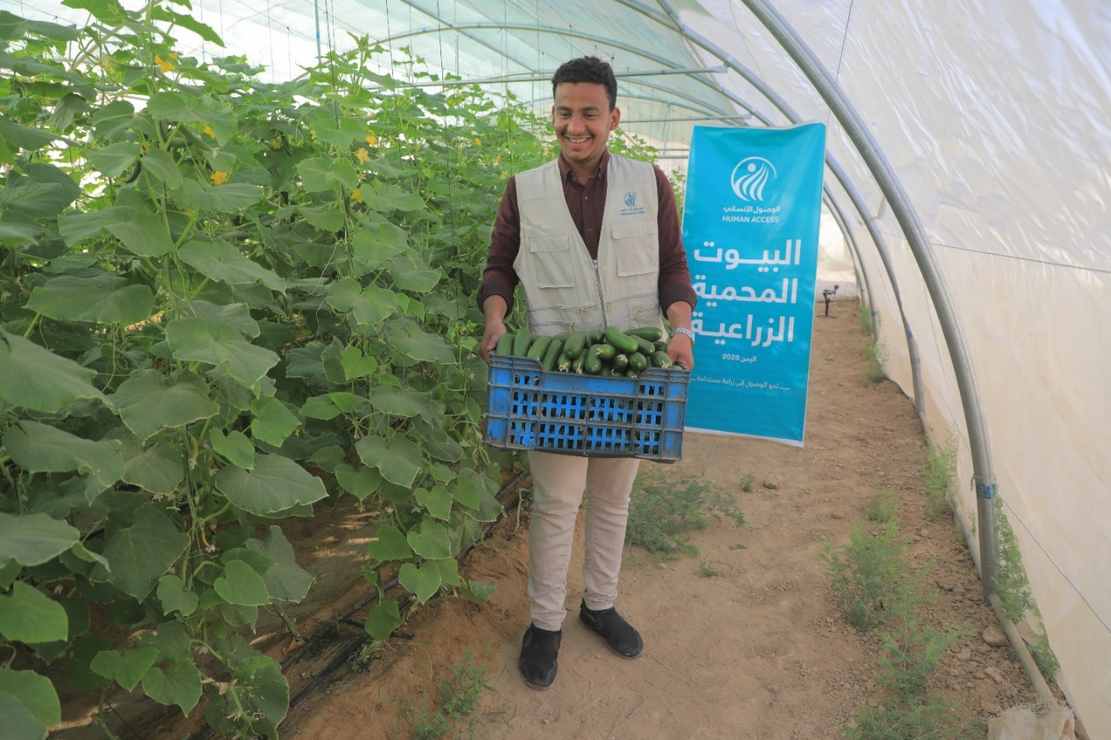
When climate-related disasters destroy agricultural land and threaten coastal fisheries, food production suffers. According to the Food and Agriculture Organization of the United Nations (FAO), climate change in Yemen is driving food insecurity and hunger to alarming levels.
HUMAN ACCESS implements specialized food security programs and projects, including providing essential food supplies to the most vulnerable families, supporting agricultural and livestock-based initiatives, and delivering direct cash assistance to help those in need secure their food requirements.
- Improving Livelihoods
The climate crisis threatens livelihoods through rapidly rising temperatures, droughts, and floods. World Bank analyses indicate that climate change has a significant and disproportionate impact on poverty and economic opportunities, particularly for the most vulnerable members of society.
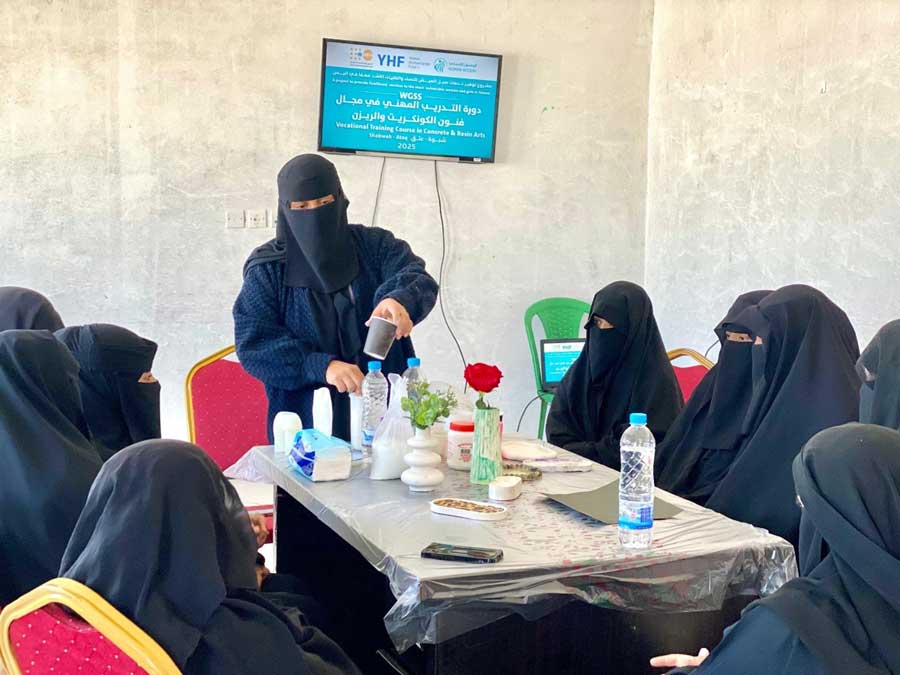
HUMAN ACCESS works to foster sustainable livelihoods for affected communities, contributing to the improvement of living conditions for vulnerable groups. This is achieved by qualifying and economically empowering individuals, implementing income-generating projects, expanding economic opportunities, supporting micro and small enterprises, and investing in human capital—all of which serve as highly effective tools for building resilience and the capacity to adapt to climate change.
- Strengthening Health Systems
According to the World Health Organization, climate change constitutes a health emergency; it impacts health systems and contributes to the spread of diseases. For instance, extreme heat increases the likelihood of hospital visits during pregnancy and contributes to malnutrition in early childhood. Investments in health can protect people from climate-related shocks.
In this regard, HUMAN ACCESS works to sustainably strengthen the capacity of medical systems, bolster healthcare infrastructure, address malnutrition, combat disease outbreaks and epidemics, and secure the provision of medicines and medical supplies—all of which contribute effectively to finding solutions for challenges at the intersection of climate and health issues.
- Strengthening Protection for Vulnerable Groups
Climate change is increasingly driving human displacement and escalating social risks, including rates of gender-based violence. The heaviest burden falls upon the most vulnerable segments of society—such as women, children, youth, orphans, displaced persons, and the strained communities hosting them.
For this reason, HUMAN ACCESS places special emphasis on these groups, particularly within the displacement camps across Yemen. The organization works to mitigate the risks faced by women and girls, facilitating their access to the services and resources needed to adapt to the impacts of climate change—notably through the provision of safe spaces. Furthermore, it supports children through dedicated child-friendly spaces, maintains a specialized sector for the sponsorship and care of orphans, and implements various other critical interventions.
- Improving Access to Water
Climate change has led to reduced rainfall and an increase in the frequency of droughts. Yemen, which already suffers from a scarcity of water resources, ranks 20th among countries facing high water stress. According to official reports, the per capita share of water in Yemen has fallen below 80 cubic meters per year.
In response, HUMAN ACCESS works to provide sustainable solutions to water-related challenges. The organization plays a significant role in ensuring access to safe drinking water by drilling and maintaining water wells; installing and servicing water pumps and solar-powered systems; constructing and maintaining water networks; and building or rehabilitating water reservoirs.
Its interventions also extend to the transport and distribution of water via tanker trucks, improving access to sanitation services, and promoting hygienic practices among individuals and communities.
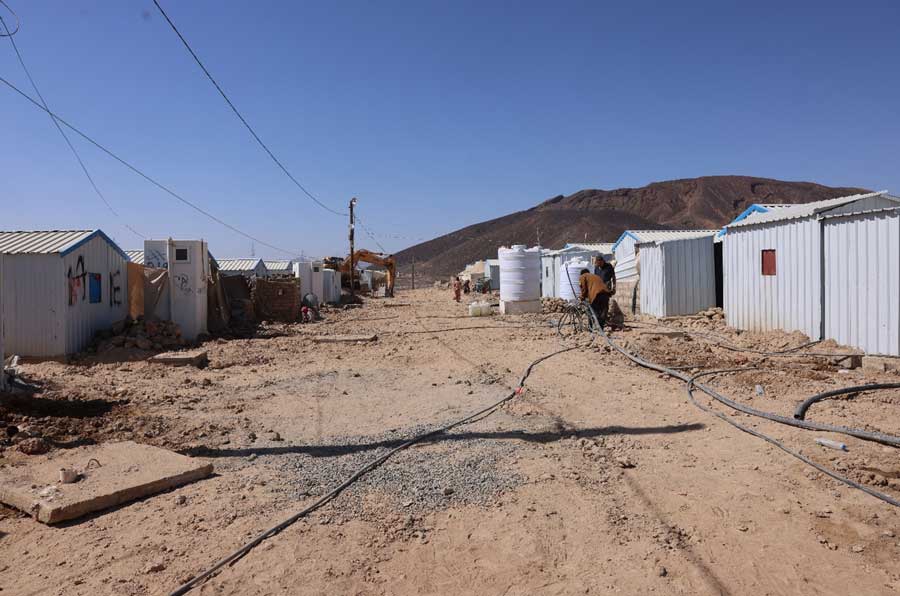
- Emergency Response and Shelter Materials
Climate change brings severe impacts and harsh consequences for housing. The poor, in particular, face heightened risks; they often live in substandard dwellings, possess little to no savings, and lack access to support systems.
HUMAN ACCESS provides emergency aid during natural disasters, responding swiftly to the urgent needs of those affected. The organization helps secure shelter for impacted and displaced families, protecting them from the volatile weather patterns caused by climate change—a reflection of its firm belief that investing in climate resilience is an investment in the future.
The interventions of HUMAN ACCESS extend beyond these areas; they also encompass strengthening infrastructure to withstand climate change, promoting the use of clean energy—such as solar power—to reduce emissions, and contributing to environmental preservation.
Cultivating Hope and Life:
Climate change disproportionately affects the poorest and most vulnerable, including orphans, who often find themselves trapped in a web of crises—foremost among them the deteriorating Yemeni economy, which has been further strained by the impacts of climate change.
For years, the seven-member family of Salem struggled following the loss of their breadwinner, compounded by harsh climatic shifts that disrupted their livelihoods. Describing these hardships, 21-year-old Osama Salem remarked, "We faced countless challenges just to secure our daily bread under extremely difficult conditions."
However, this suffering has significantly eased thanks to the "Productive Families for Orphans" fund—a program implemented by HUMAN ACCESS across several Yemeni governorates in partnership with the International Islamic Charitable Organization (IICO). Through this initiative, Osama was provided with a specialized agricultural project: the cultivation of watermelons. The program supplied an irrigation network for the family’s farm, along with seeds, fertilizers, and other essential farming inputs.
This vital project holds particular significance, as the agricultural sector is the primary employer in Yemen and the main source of food. Given that food insecurity is one of the major challenges facing the Yemeni people, this project serves to strengthen food security—a cornerstone of sustainable development—while also supporting adaptation to the impacts of climate change.
On his fertile farm in Shabwah Governorate, Osama currently grows watermelons, harvesting them every four months. By selling his produce in local markets, he earns a good income, which helps his family overcome economic and living hardships while simultaneously boosting agricultural output.
Most importantly, the project enhances the capacity of local communities to achieve self-sufficiency and build resilience against climate change. As Osama notes: "We have experienced a major change in our lives. I cannot describe my joy regarding this thriving project. I rely on farming to meet my family’s basic living needs, and now I am considering expanding production—I aspire to become a leader in this field."
Related articles